

A New World (Dis)order: A Macro-Level Analysis
The end of the liberal world order and the start of an uncertain global era
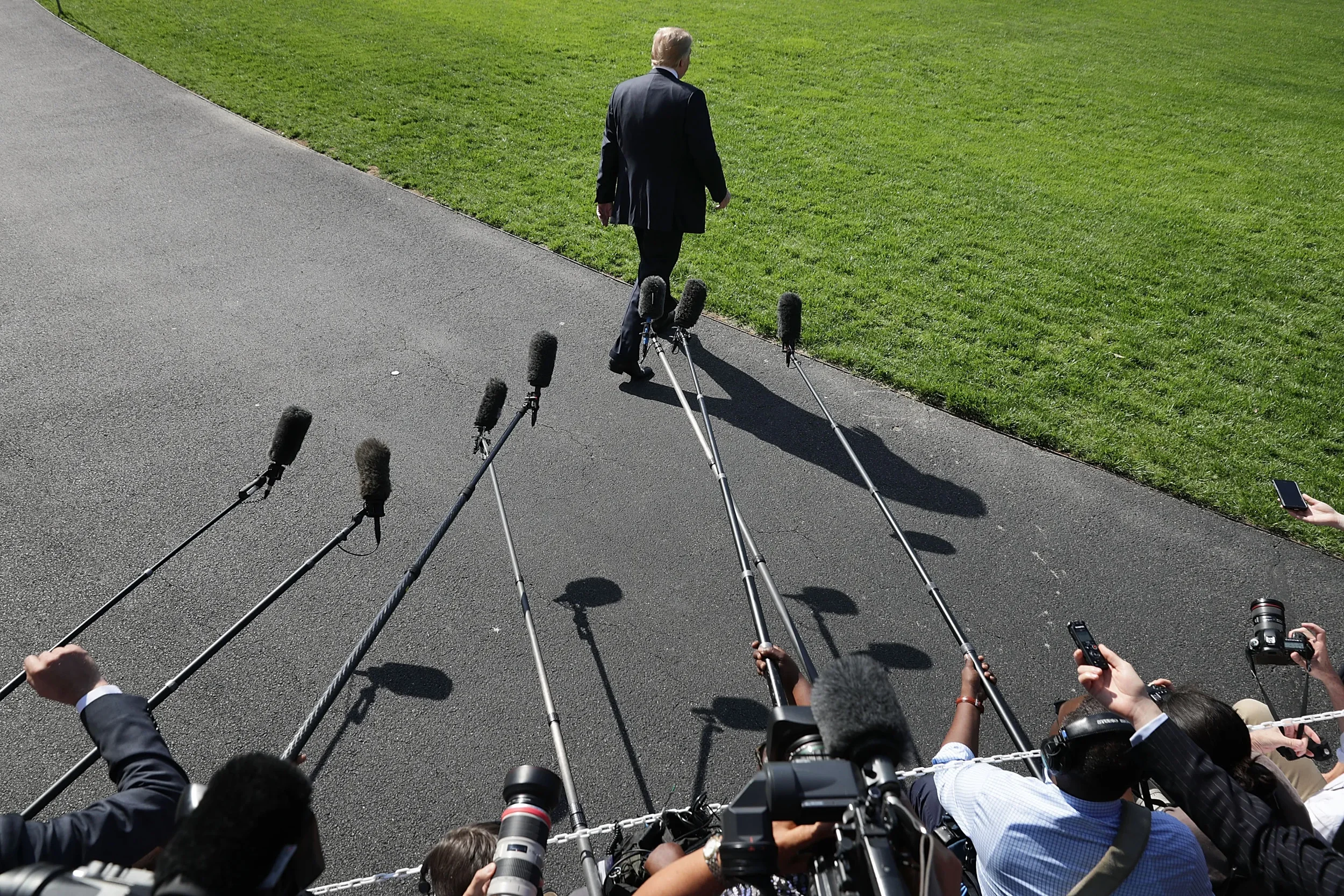
“Next, order up!”
No, this is not the line at McDonald’s— this is our global affairs.
In order to imagine where we are going, we need to understand where we came from. The title announces a new world order. So, to understand the new world order, we must first understand the one that came before it.
After the disastrous consequences of World War II, a world order was created—a system of norms and institutions that loosely organized international interactions and dictated how states interacted—to prevent something like that from happening again and to strive for a new period of prosperity. This was the liberal world order.
In this world order, it was thought that peace could best be achieved through a triad of factors. There have been efforts to promote democracy worldwide in past decades, often in tandem with regime change. Behind these efforts is the understanding that democracies do not wage wars against one another. In fact, there has not been a war between two democracies, a phenomenon some have dubbed “democratic peace”. While the methods by which democracy should be spread—and its efficacy—are not always agreed on, the general logic remains that if we can make democracy more present around the world, we would be more peaceful.
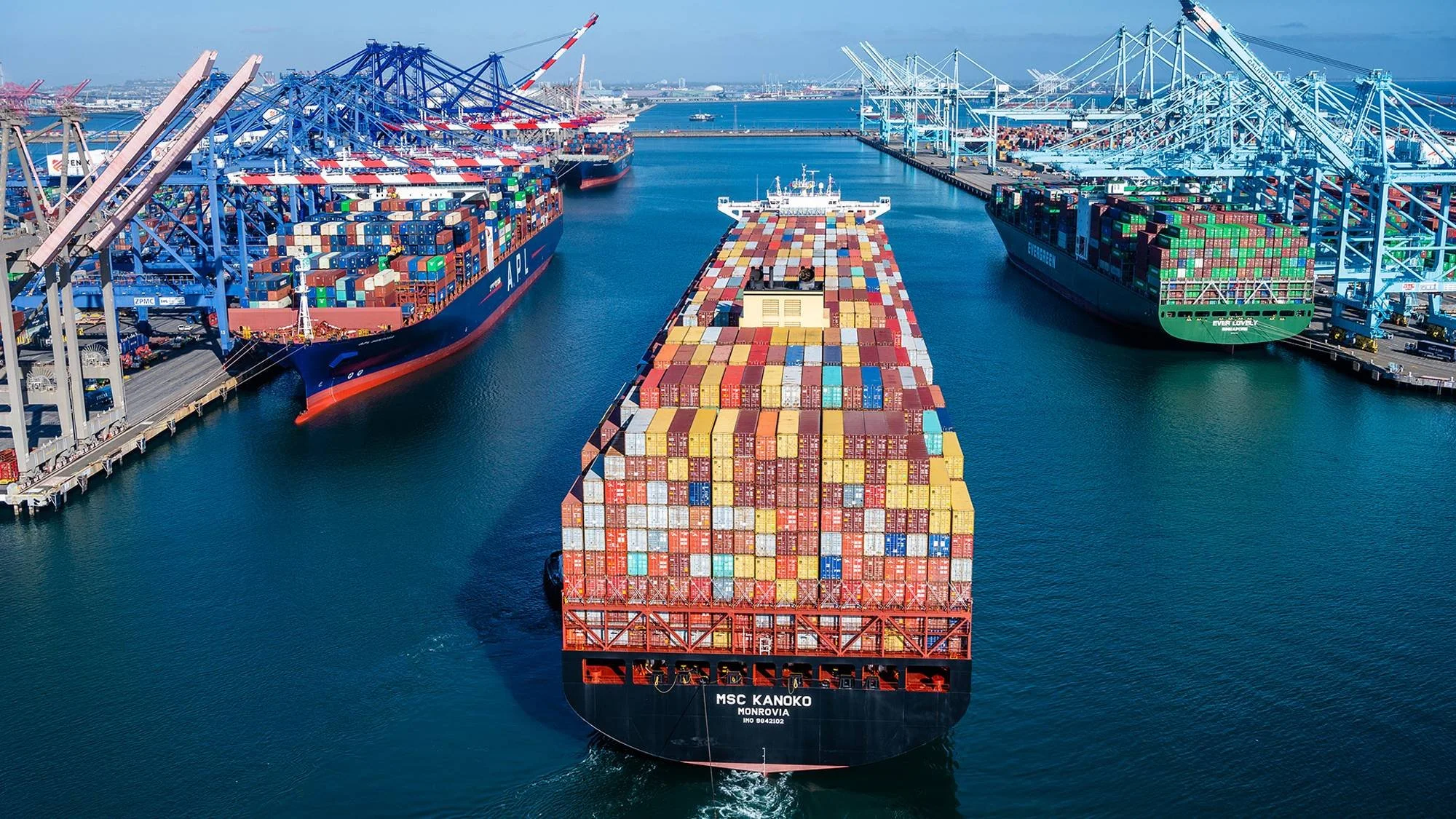
The liberal world order also featured the prominent rise in economic interdependence between states. Economic relations promote peace, as increasing trade expands the networks tying states together, and those bonds become very costly to break. Free trade, in particular, was heavily promoted via a number of international organizations and frameworks. Societies become unstable when these interdependencies break – think, for example, of the hurt experienced by farmers and auto workers here in Canada when Trump launched his tariffs – explaining why economic connections usually act as an incentive for states to resolve conflicts peacefully.
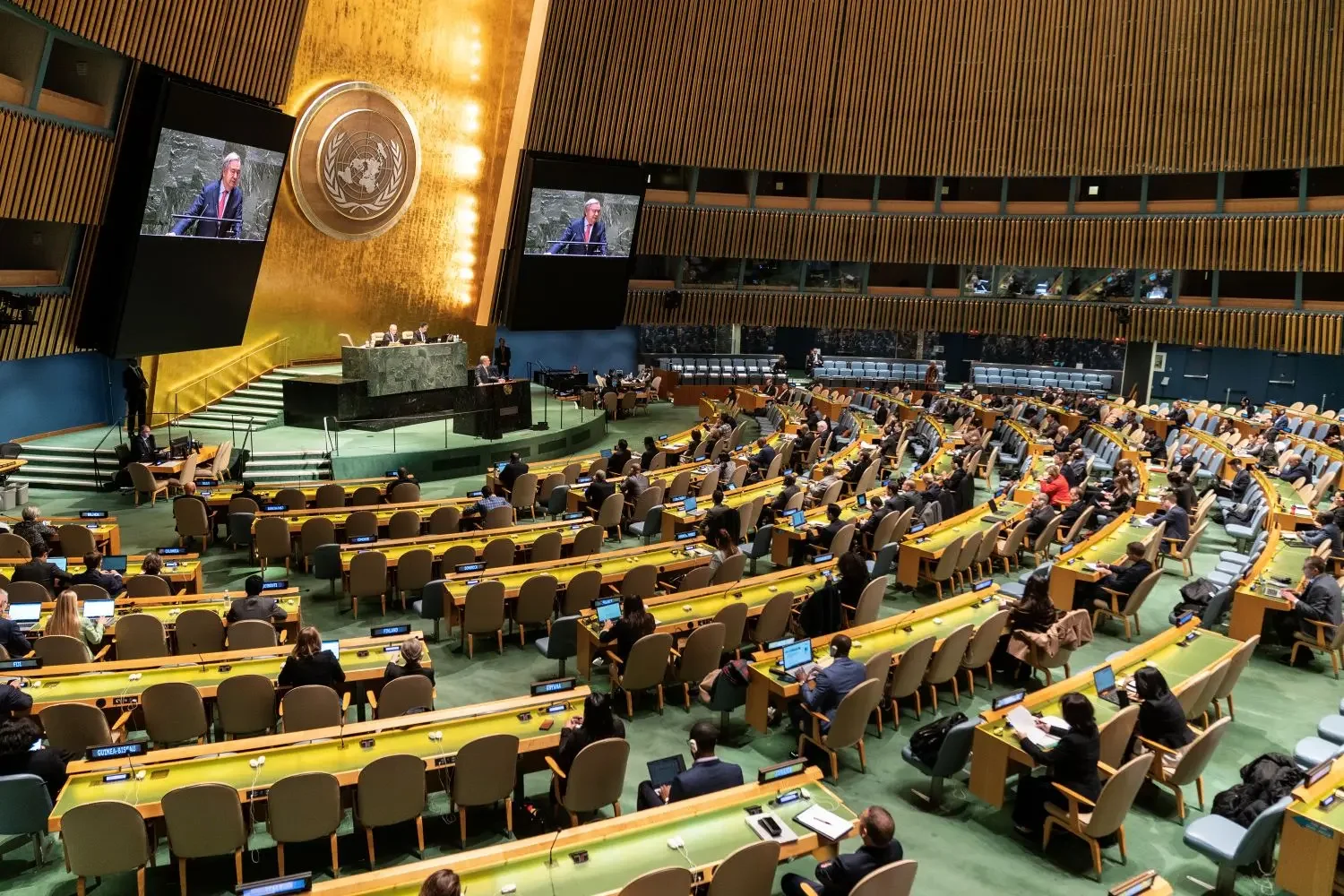
There was also a rise in membership in international organizations, which reduced, but did not make impossible, the likelihood of conflicts. Notably, in the hundreds of thousands of treaties signed worldwide, states voluntarily agree to abide by certain sets of rules. These organizations also facilitate cooperation on a multilateral basis—meaning involving more than two nations, organizations, or groups working together on common goals.
By the end of the 1990s, the world was largely seen as more peaceful and more prosperous, in broad terms. Although numerous issues, such as widening economic inequalities and climate change, arose, this system was still regarded as functioning and worth honouring by the West. And the US was, though imperfect, still the biggest champion of this system it had originally created and pioneered.
Yet, if anyone took a peek into all sorts of media sources over the past years, they would see important unravelings of this liberal world order. Democracies have been in decline. Free trade that was once championed for its absolute gain for all parties is now treated by the US as a tool of “subordination”. And the world’s most powerful country now plays above the rules, with little regard for multilateralism.
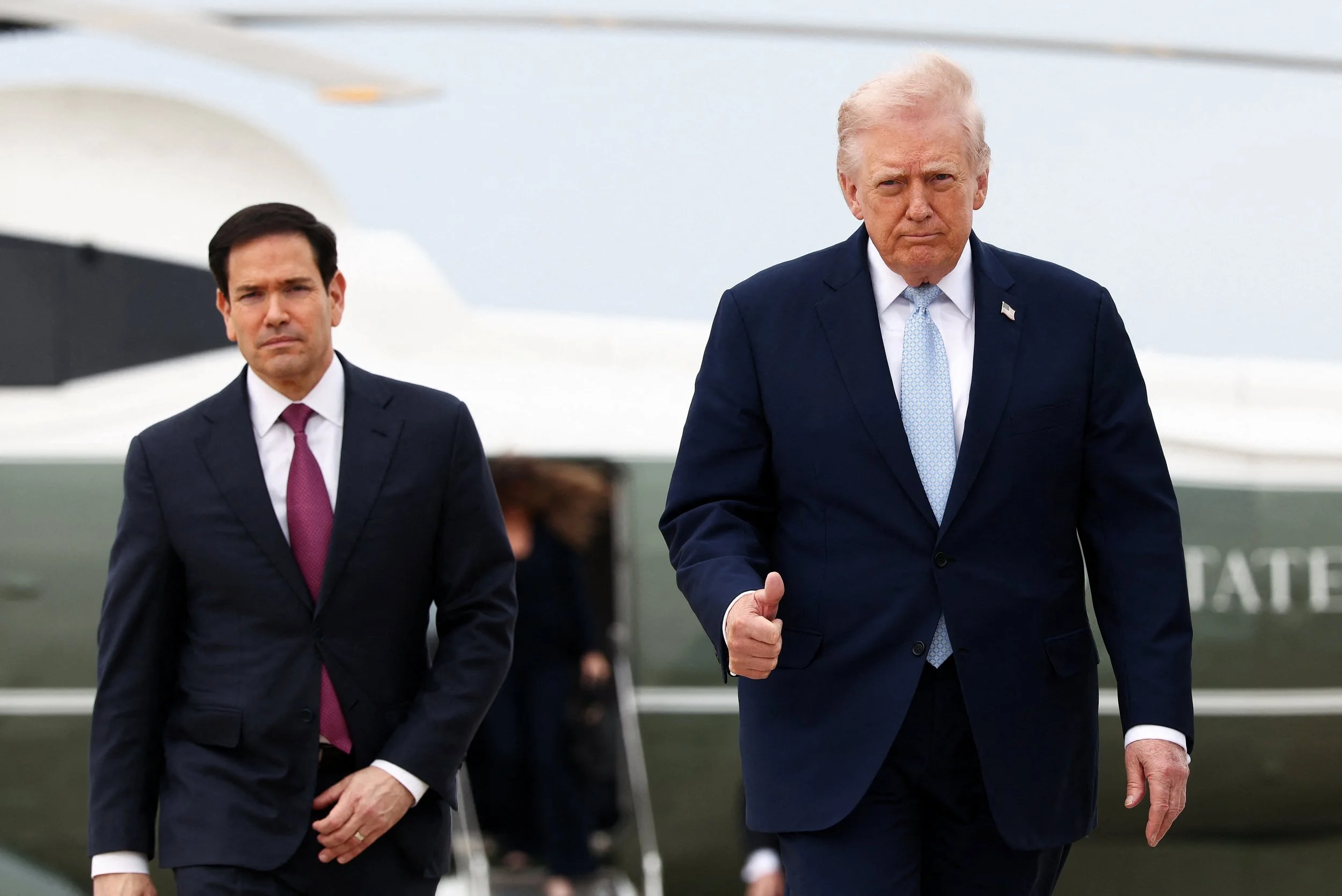
The world presently sure does not look much like the one it did decades ago. Instead of cooperation, we see fear. Instead of seeing reason over desire, we are observing actions taken out of self-interest, particularly by the strong.
“The strong do what they can, and the weak suffer what they must.”
Athenian General Thucydides’ maxim seems, unfortunately, to be more true now than ever.
This sad reality was not always the case. Some argue we are not doomed to this new type of world and that it can, and we should strive to be, different. Others say this was always how the world would work, and its timeless nature is inescapable. But there is a common recognition of a need to adapt to this rapidly changing global landscape worldwide– to this “rupture”. In global affairs, the choice for what comes next is rarely binary.
Whatever new (dis)order we are now entering or residing in, little is clear. As we head into the next months, years, and decades, a bitter cloud of uncertainty lingers.
Want to Write for the Journal?
Up Next: How will Canada navigate this new reality?
Is this a world we are comfortable living in? What can Canada do moving forward?