
Playing Above the Rules: America’s Role in the World
President Trump’s assault on international norms and laws
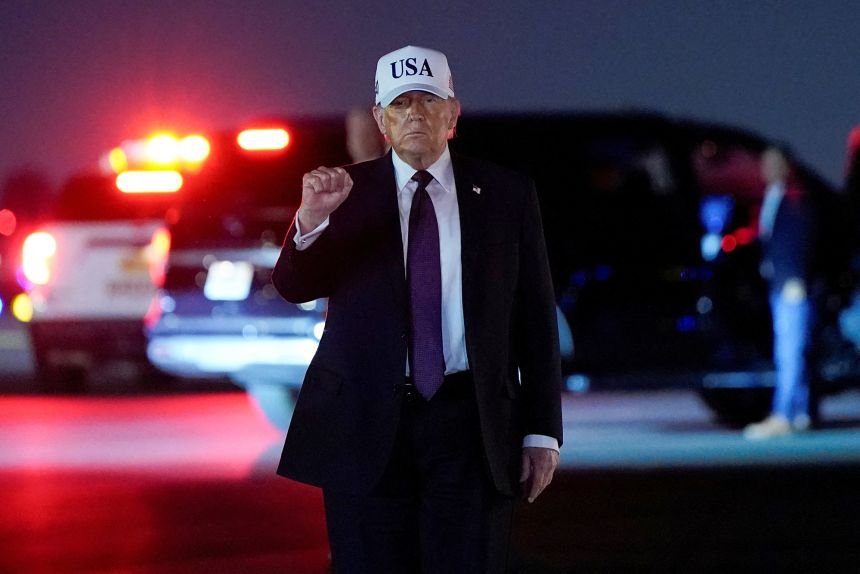
US President Donald Trump pumps his fist after disembarking Air Force One. (Elizabeth Frantz/Reuters)
It is difficult to ignore the United States’ show of force over the past few days, months, and year.
The US certainly dominates all other states in the western hemisphere, and, as we have seen, has made efforts to do the same 6,500 miles away on another continent again just last night.
No country can meaningfully challenge the US’s power advantage in traditional military terms. And none fully does in practice, because it realizes it lacks the capacity to realize those desires. That is why so much of international politics is centred around the actions of this one particular country.
In the current state of our world, might makes right.
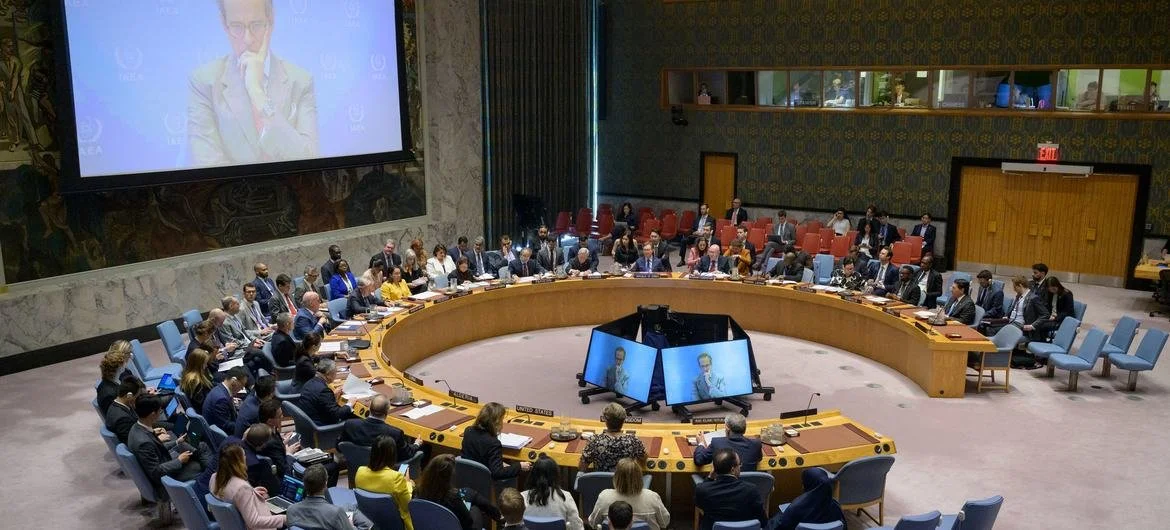
A wide view of a Security Council meeting. (UN Photo/Manuel Elías)
Gone are the days when the US gave considerable thought to using its military force, prioritizing international cooperation through multilateral institutions, such as the United Nations. Now, it seems there is barely any thinking; President Trump does not yield back on the military force at his disposal as Commander-in-Chief. The US has repeatedly acted unilaterally – meaning taking decisions without the support or participation of other nations – since the installation of the current administration, against other nations, for all sorts of reasons.
For centuries, the norm was that states had the right of conquest. It was a legal way for states to resolve disputes. Yet, gradually, with the development of international law, wars of aggression became prohibited.
That is not to say past assaults on this norm have not happened. International law is known to be lacking in enforcement. This is shown practically by actions worldwide challenging the rules-based order, which occurred long before President Trump took office – including the US’ 2003 invasion of Iraq, China’s aggressive military expansion in contested areas of the South China Sea in the past decade or so, and Russia’s 2022 full-scale invasion of Ukraine. Rather, these norms have historically set a standard for states to respect, as they would supposedly lead to a safer, more secure world. As for these aspirations, the US has been the global leader (with notable exceptions) in championing them.
Present day, proponents of Trump’s recent actions in Iran cite the source of terror and destabilization that was its Islamic Republic, and the need to thwart its regime from further threats to international, regional, and subregional peace. Detractors say the strikes on Iran are illegal, both nationally with US law and internationally, under international law and raise the devastating cost paid as a result of these actions: human lives. The debate here seems less about the goodness of the Islamic Republic of Iran than about whether it was the right decision to forcibly override the regime by upending the current fragile standards set by international multilateral institutions.
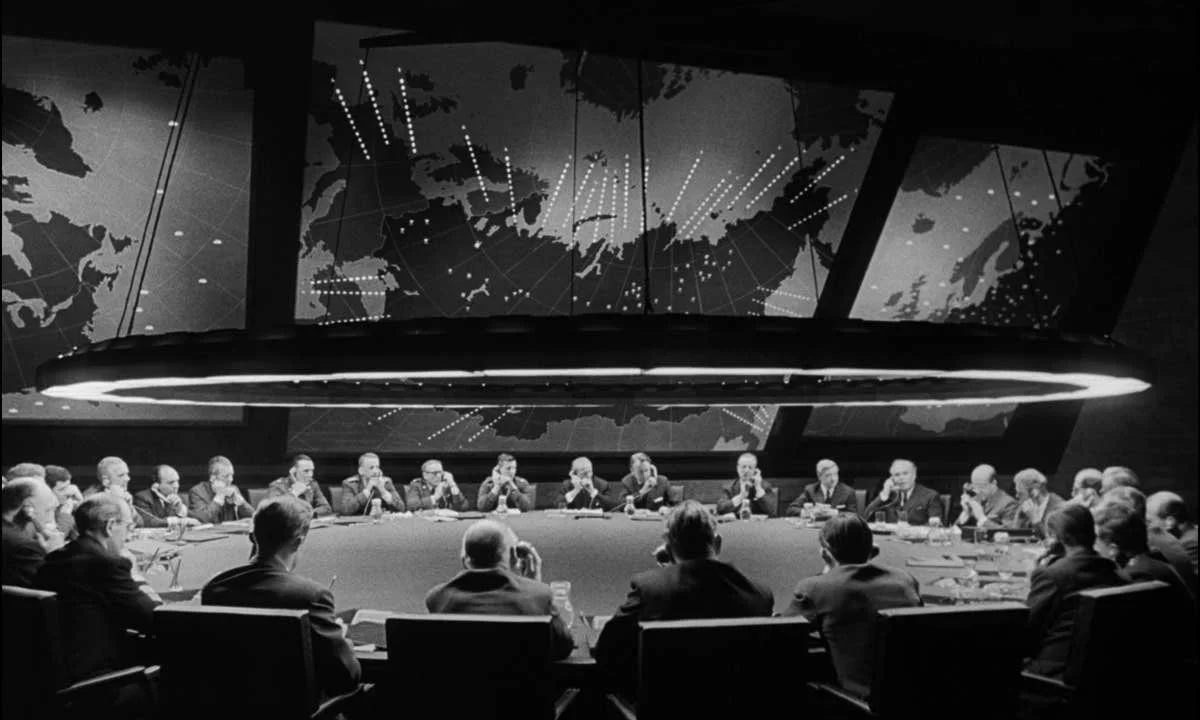
From the film Dr. Strangelove, 1964.
Down the path Trump has decisively taken, he may be indicating he would go so far as to restore war and force as the main way for states to resolve their disagreements, or simply get their way.
Other states might look to the US as an example – one that has gotten away with everything and seemingly unenthused to play by the rules.
Likely, an increasingly discomforting and conflictual period for our world awaits – or really, has already begun.